
Honeycomb Heritage Trail
Welcome to the Beeton Honey & Garden Festival Heritage Walk — a chance to step back in time and discover the roots of this charming village while enjoying the energy of today's celebration.
Originally known as Clarksville, this community began around 1855 when blacksmith Robert Clark started selling village lots to tradespeople. Early families like the Lephens, Hammells, and Evans helped shape the foundation of what would become a thriving rural hub.
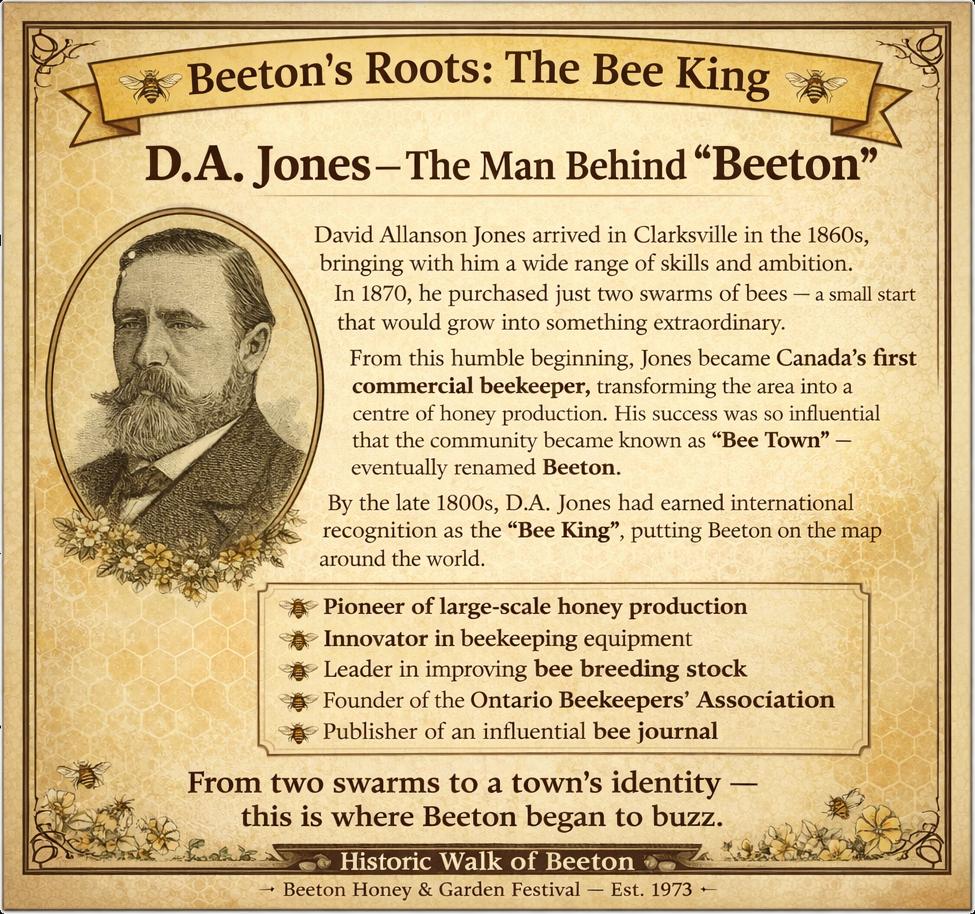
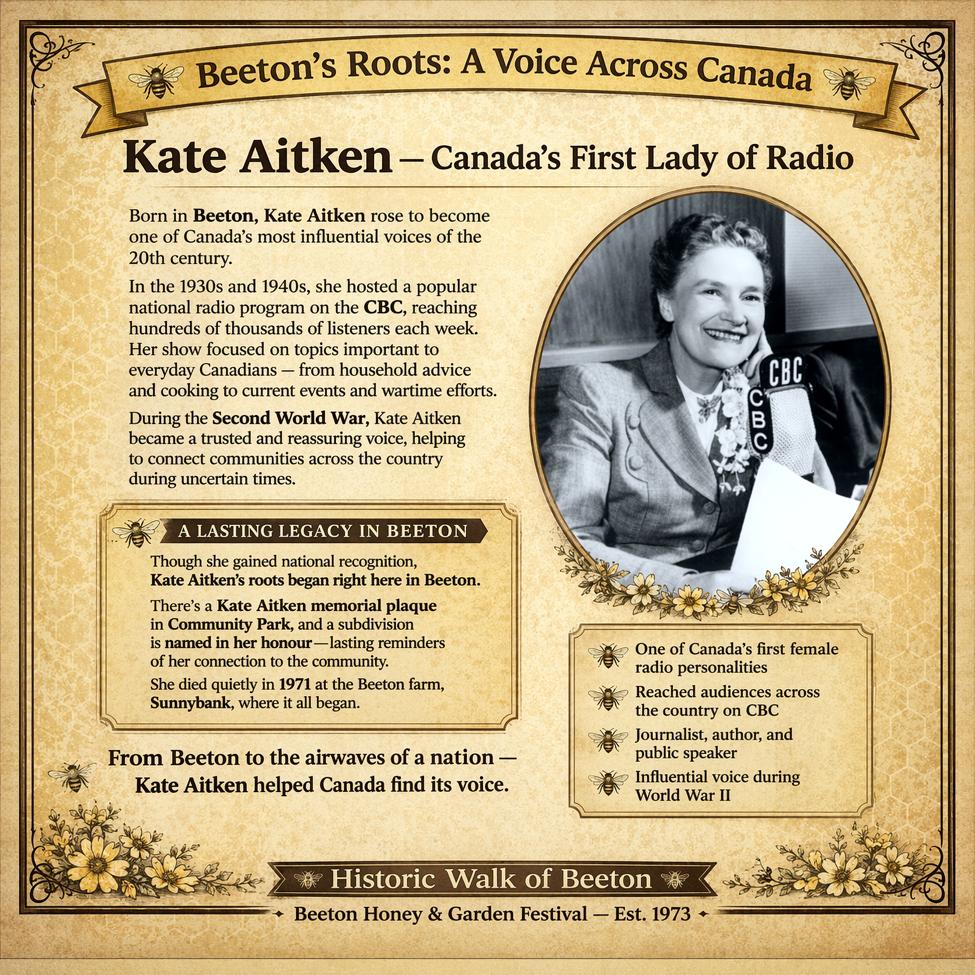
By 1860, the Tecumseth Post Office had moved to Clarksville, marking its growing importance. In 1876, the village was officially renamed Beeton — both to avoid confusion with another Tecumseh post office in Essex County and to reflect its evolving identity. The name is believed to have been inspired by Beaton Castle in Fife, Scotland, suggested by Mrs. D.A. Jones, while also honouring her husband, David Allanson Jones — a pioneer in Canada's early beekeeping and honey production industry.
Growth came quickly. With the arrival of the Hamilton and North-Western Railway in 1877, Beeton experienced a surge of prosperity, connecting it to larger markets and helping local businesses flourish. By 1886, Beeton was incorporated as a village, home to 781 residents and a growing sense of community pride.
as you explore the stops along this walking tour, you'll uncover the stories, homes, and people that helped shape Beeton — from its early settlers to its sweet legacy in beekeeping.
Take your time, look closely, and enjoy the history that still lives on in every corner of our village. 🐝
1. Beeton Town Hall (1894)
📍 34 Main Street West
1. Beeton Town Hall (1894)
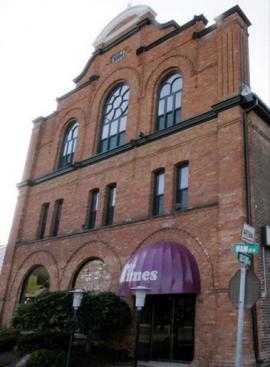
Built in 1894, Beeton Town Hall served as a jail, courthouse, farmers’ market, and community gathering space. The upper floor housed an opera hall, making it a central hub for both civic life and entertainment.
Did You Know?
This one building handled everything from legal matters to dances and performances.Look For…
The rose-shaped window near the top—it’s a unique feature from the original opera hall.
2. Henry Aitken House (c. 1900)
📍 33 Main Street West
2. Henry Aitken House (c. 1900)
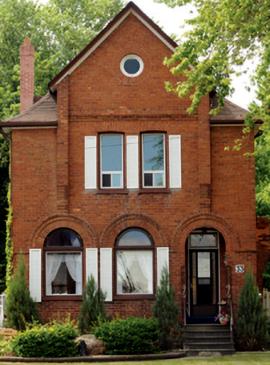
Home to the family of Henry Aitken, connected to local milling operations on Dayfoot Street. This house reflects the lives of early business families in Beeton.
Did You Know?
Successful business owners often built their homes close to their workplaces.Look For…
The solid brickwork and classic early 1900s residential design.
3. Muddy Water Hotel (c. 1895)
📍 25 Main Street West
3. Muddy Water Hotel (c. 1895)
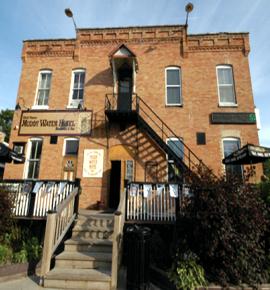
Originally known as The Commercial Hotel, this was a key stop for travellers passing through Beeton during the late 1800s.
Did You Know?
The sheds behind the building were used to house horses for overnight guests.Look For…
The rear structures that once supported horse travel.
4. Walter Bell House (c. 1910)
📍 8 Centre Street
4. Walter Bell House (c. 1910)
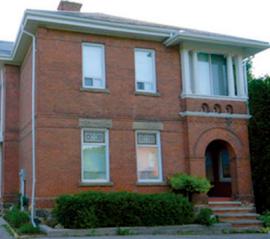
Built by the Bell brothers, local hardware merchants, this home sits next to where their business once operated.
Did You Know?
Living next to your shop was common—work and home life were closely tied.Look For…
Its proximity to the street and neighbouring commercial buildings.
5. D.A. Jones Door & Sash Factory Shed
📍 Dale Street
5. D.A. Jones Door & Sash Factory Shed
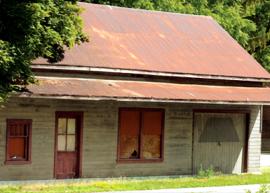
Originally moved from the Queen's Hotel site, this structure once housed a toy-making operation and was connected to D.A. Jones' manufacturing work.
Did You Know?
D.A. Jones was known as the "Bee King of Beeton" for his role in the honey industry.Look For…
Its simple, functional design—built more for work than style.
6. Trader's Bank (1885)
📍 23 Centre Street
6. Trader's Bank (1885)
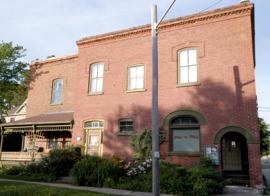
Built in 1885, this bank also served as the residence for the bank manager and his family. It later became part of the Royal Bank.
Did You Know?
Bank managers often lived in the same building to oversee operations and security.Look For…
The sturdy brick construction typical of financial institutions of the time.
7. Woodbine Cottage (1892)
📍 29 Centre Street
7. Woodbine Cottage (1892)
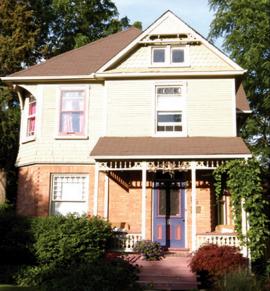
This home served as both residence and medical office for Doctors Brewster and Spearing. It's a fine example of Queen Anne architecture.
Did You Know?
Doctors often treated patients right in their homes.Look For…
Decorative trim and asymmetrical design typical of Queen Anne style.
8. Elizabeth Kearns House (c. 1885)
📍 33 Centre Street
8. Elizabeth Kearns House (c. 1885)
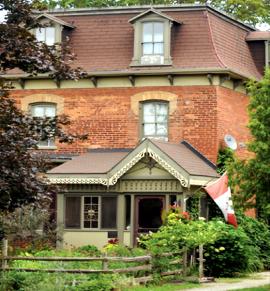
An example of Second Empire architecture, this home reflects European design influences popular in the late 1800s.
Did You Know?
This style originated in France and became popular across North America.Look For…
The distinctive roofline—a hallmark of Second Empire design.
9. Trinity United Church (1878)
📍 37 Centre Street
9. Trinity United Church (1878)
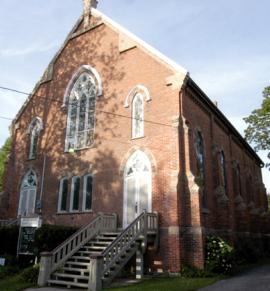
Built in 1878 in the Gothic Revival style, this church was modeled after a Methodist church on Parliament Street in Toronto.
Did You Know?
Churches were central gathering places for both worship and community events.Look For…
Pointed arches and tall windows typical of Gothic Revival architecture.
10. Orange Lodge (c. 1880)
📍 51 Centre Street
10. Orange Lodge (c. 1880)
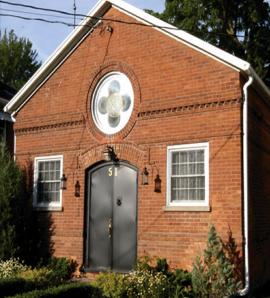
Originally home to the Ancient Order of United Workmen, this building later became a private residence.
Did You Know?
Fraternal organizations played a major role in community life and support networks.Look For…
Its modest size compared to other buildings—built for meetings, not grandeur.
11. Rotary Hall (c. 1900)
📍 72 Second Street
11. Rotary Hall (c. 1900)
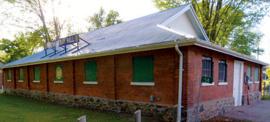
Built by D.A. Jones, this hall was used for agricultural fair exhibits—highlighting Beeton's farming roots.
Did You Know?
Agricultural fairs were a major annual event, showcasing innovation and local pride. The Beeton & District Agricultural Society turns 170 years old in 2026.Look For…
Its open structure, designed to accommodate displays and gatherings.
12. 47 Prospect Street (c. 1870)
📍 47 Prospect Street
12. 47 Prospect Street (c. 1870)
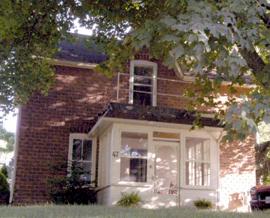
Built by pump maker David Appleton, this home is notable for its cost-conscious brick construction.
Did You Know?
The bricks were laid facing outward to reduce costs—an early example of practical design.Look For…
The exposed brickwork and straightforward layout.
13. School Site (1889 & 1922)
📍 Tecumseth & Prospect Streets (N.W. Corner)
13. School Site (1889 & 1922)
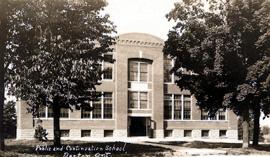
Two schools once stood here, reflecting the town's growth and commitment to education. The site is now residential.
Did You Know?
As the population grew, a second, larger school replaced the original.Look For…
The location itself—imagine classrooms filled with students over a century ago.
14. Early Residence (c. 1860)
📍 70 Main Street
14. Early Residence (c. 1860)
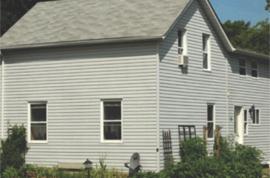
Part of Robert Clark's original Crown Grant, this home may be the oldest remaining structure in Beeton.